Aristotelian Social Responsibility: A Journey Through Corporate Rhetoric
Spring 2024
To my dearest chum, I believe that instead of simply explaining lofty rhetorical terms at you, it may prove more beneficial to simply show you. These terms have proven unmistakeable across our society, and they can assuredly be identified in much more impactful areas than a debate club meeting. I am talking, of course, of the lovely realm of corporate social responsibility.
To begin, Aristotle outlined deliberative rhetoric, focusing on future-oriented discourse aimed at guiding decision-making towards a preferable future. It is inherently persuasive, inviting stakeholders to consider the long-term implications of their actions today. A prime example of deliberative rhetoric in action within a public relations context is the campaign by BP following the Deepwater Horizon oil spill in 2010. The environmental disaster and its digitally spread nature rocked the company’s public image and stakeholder trust.

However, the company's comprehensive PR campaign quickly employed deliberative rhetoric, demonstrating accountability for immediate impacts while crucially reframing stakeholder perceptions around a long-term embrace of a more sustainable business model. Here, PR professionals struck oil as they successfully placed an emphasis on future-oriented goals and long-term implications to not only address present concerns but craft a vision of a better tomorrow through thoughtful discourse.
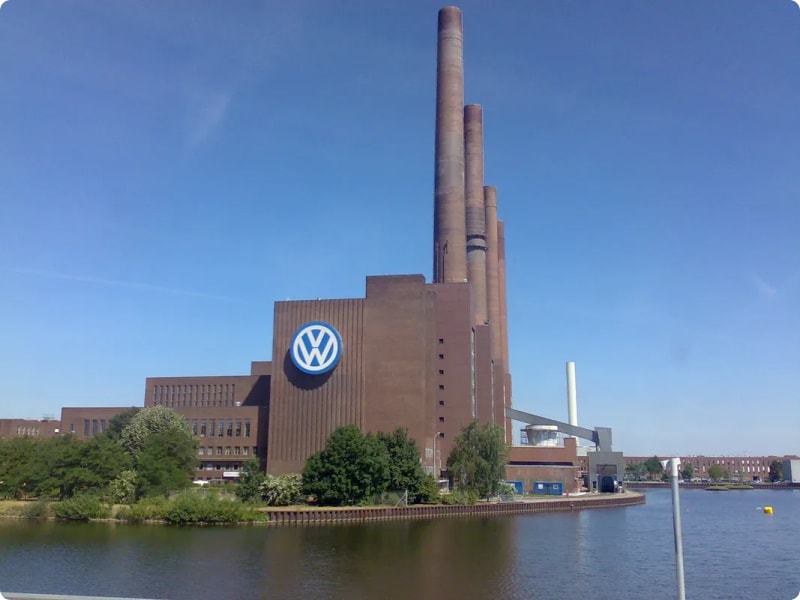
That’s not all good pal, for those dastardly multinationals also employ “forensic rhetoric,” centered on examining past actions through the lens of justice. When organizations face public scrutiny over prior transgressions, PR teams employ forensic rhetoric to defend, explain, or mitigate the circumstances, constructing narratives that may absolve blame or reframe contextual factors. Remember your old Jetta? Well, having installed software to circumvent emissions testing in such diesel vehicles, VW confronted a severe public relations shitshow.
Its initial response involved an immediate public apology accepting full responsibility for breaching customer and public trust. However, as the crisis intensified, VW's forensic rhetorical approach evolved into a blend of mortification and corrective action. The company launched a multimedia campaign informing stakeholders of its remedial steps, including vehicle recalls, cooperation with investigations, and investments in cleaner technologies. This two-pronged strategy acknowledged past wrongs while outlining tangible measures to rectify them and regain consumer confidence. And now you drive a Passat…
Moving past your ecological terror, my friend, we have epideictic rhetoric. This invention focuses on praise and blame in the present moment. By employing ceremonial language that lauds an organization's virtues and societal contributions, PR campaigns rooted in epideictic rhetoric can foster a positive public perception and reinforce beneficial norms. This is perhaps before both our time, yet we are starkly reminded of it everytime we tear past cotton to get to our OTCs: the 1982 Tylenol poisoning crisis.

Facing a potential disaster capable of permanently crippling the brand, J&J instead implemented a benchmark crisis communication strategy centered on epideictic messaging. The company framed its nationwide product recall costing into the 9 digits as a demonstration of an unwavering commitment to consumer safety over profits. Coupled with transparent stakeholder outreach, this rhetoric reassured the public of J&J's ethical standards. J&J's subsequent introduction of pioneering tamper-evident packaging alongside consumer education initiatives allowed it to reinforce brand messaging around values of innovation and customer protection. And remind me again of who might have administered your Covid vaccine…